
A State of Change: Water, Fire, and Life Amidst Change, S1:2
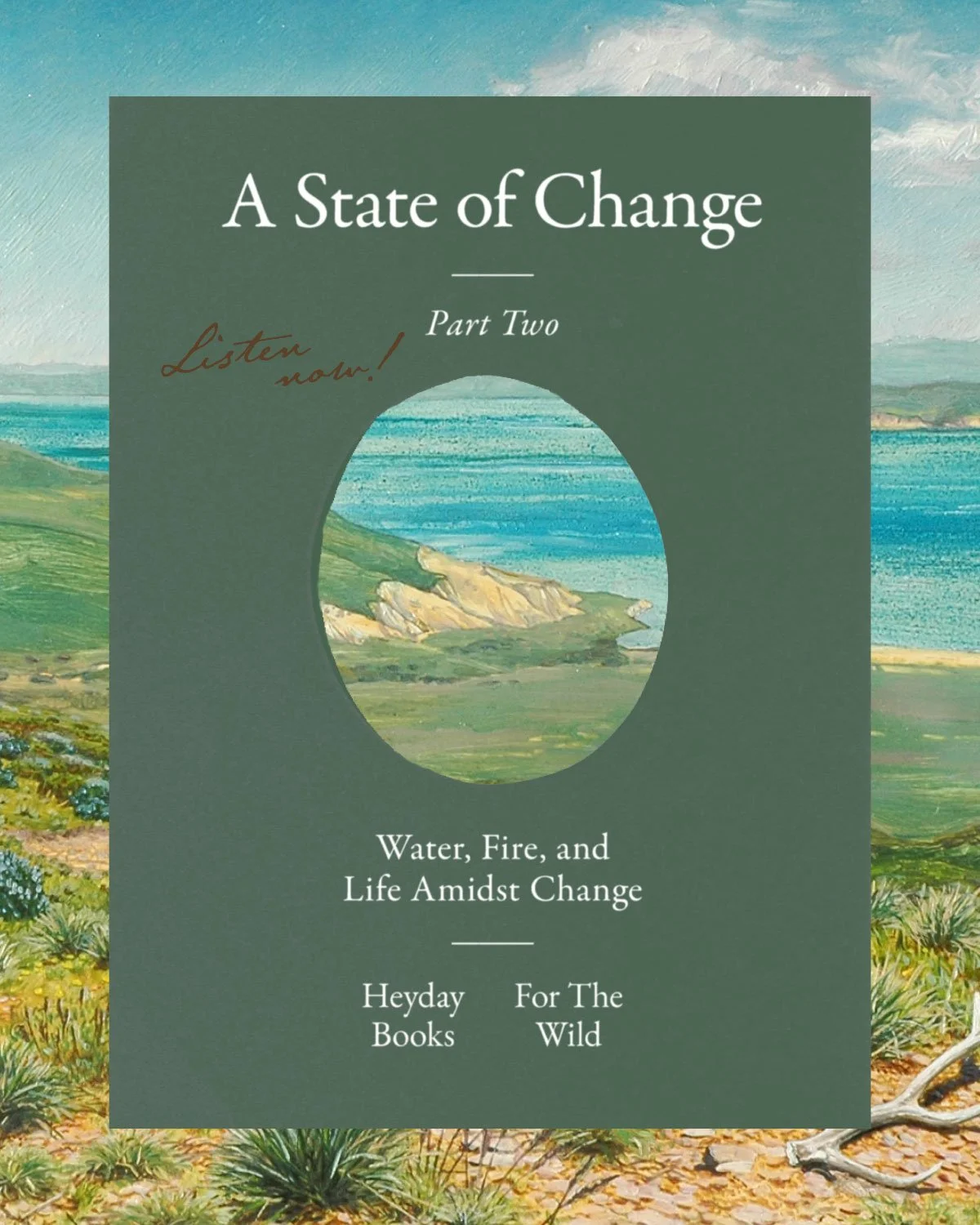
Art from “A State of Change” by Laura Cunningham (c)
October 22, 2026
Ayana Young and Laura Cunningham return to A State of Change: California’s Forgotten Landscapes, newly revised and expanded by Heyday Books. Laura shares how decades of research became a story-driven exploration of ecological memory, resilience, and recovery, offering a glimpse into what California has held and what may still return.
California has always been a landscape in motion. Water shifts across floodplains, rivers change course, fire renews forests and grasslands, and species like Chinook salmon have shaped the land through generations of abundance. In this conversation, they consider what it means to work with these living processes and make room for their continued movement.
“We have this huge book of nature in front of us that we can study and learn from. That’s been very empowering for me. Anyone can just go out and do this and look at it. It gives you a sense of grounding. ”
They talk through the state’s once-vast wetlands and floodplains, the dramatic decline and gradual recovery of tule elk, and the astonishing abundance of salmon that once filled California’s rivers. Laura recounts a hard-won effort to remove part of a fence at Point Reyes, allowing tule elk greater freedom of movement. For Laura, this small victory became an example of what she calls an “honest kind of hope,” grounded in close attention to what is possible and the patience to keep working toward it. The conversation also turns toward rivers, fire, and the knowledge carried through generations of stewardship. Laura reflects on Karuk and Yurok cultural burning practices along the Klamath River and what they have taught her about patience, observation, and respect for Indigenous knowledge.
This episode asks: what might conservation become when we care for a place by tending to its capacity for change?
About this Series
A State of Change is a series that asks what becomes possible when we learn to see a place through close observation, memory, and imagination. Following the practice of field sketching, each episode explores how art and science can help us reconstruct landscapes of the past, deepen our cultural memory, and expand our sense of what a healthy future might hold. Through attention to what has been lost and what remains, the series considers how we might recognize the richness of the past and use that knowledge to imagine what can be restored.
Biographies
-
Laura Cunningham is an artist-naturalist who studied paleontology and biology at the University of California, Berkeley. She has worked field biology jobs for the California Department of Fish and Game, the United States Geological Survey, and various universities, gaining experience with such species as Owens Valley pupfish, salmon and steelhead trout, Yosemite toads, Panamint alligator lizards, and tule elk. Simultaneously, she taught herself the arts of sketching and oil painting and pursued studies of California’s historical ecology. She currently works in the conservation nonprofit field. Her studio is next to Death Valley National Park along the Amargosa River. Support Laura’s work at https://www.patreon.com/Mesophyticum.
-
Ayana and her daughter spend their days exploring the wilderness of Coastal Alaska (US) while strategizing ways to halt large-scale industrial projects within wild salmon habitat. She is the co-founder and host of For The Wild, an independent slow media project and podcast devoted to land-based protection, co-liberation, and the tender work of remembering our place within the living world. Through over a decade of intimate dialogue with visionaries, knowledge keepers, and artists, Ayana brings forth stories that awaken reverence, ignite resistance, and dream toward a future shaped by reciprocity and collective care. Her work is rooted in devotion; to the Earth, to truth telling, and to the quiet transformation that comes from listening deeply.
Credits
For The Wild Podcast is created by Ayana Young, Erica Ekrem, and Caitlin Brehm. This series is made possible by Heyday Books. The music featured in this episode is “Junglessa (w/ Dylan Golden Ayock)” by Lake Mary and “River Holy” by Høly River. Artwork © 2026 Laura Cunningham.
Heyday Books →
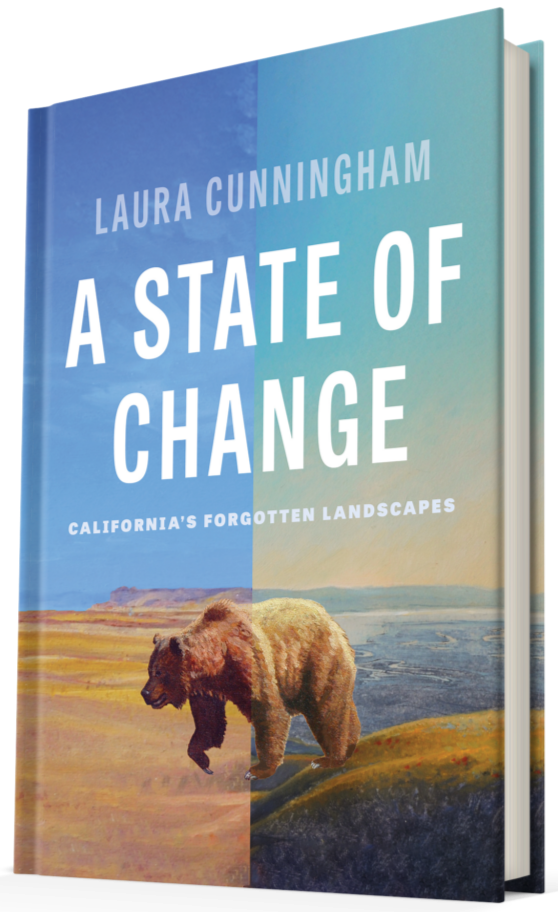
A State of Change, reissued in this highly anticipated updated edition, transports us to centuries past, offering a vision of the American West outside the grasp of modern memory. Widely regarded as a classic, this magnum opus from artist and naturalist Laura Cunningham melds lyrical observation and scientific literature to trace the evolution of these superlatively biodiverse landscapes, depicting a world untrammeled by industrial technology, habitat disruption, and non-native species. Including masterful illustrations throughout, Cunningham envisions grizzlies foraging under oak trees, American cheetahs hunting pronghorns, and herds of elk grazing coastal prairies. This fully redesigned edition features new material on the reintroduction of wolves to California, the latest issues in grassland conservation, and traditional Indigenous uses of fire on the land. A State of Change will stun the imagination with glimpses of what has been lost—and give hope for what can be restored.
Order your book >
Behind-the-Scenes Extras
We invite you to join Slow Earth Companion Practice Community on Patreon where we gather to slow down, strengthen our attention, and deepen our relationships with the living world. Members receive bonus podcast content, simple seasonal practices, reflections, reading recommendations, digital practice booklets, Flow Notes from Ayana, and invitations to gather together online.
Listen to the series…
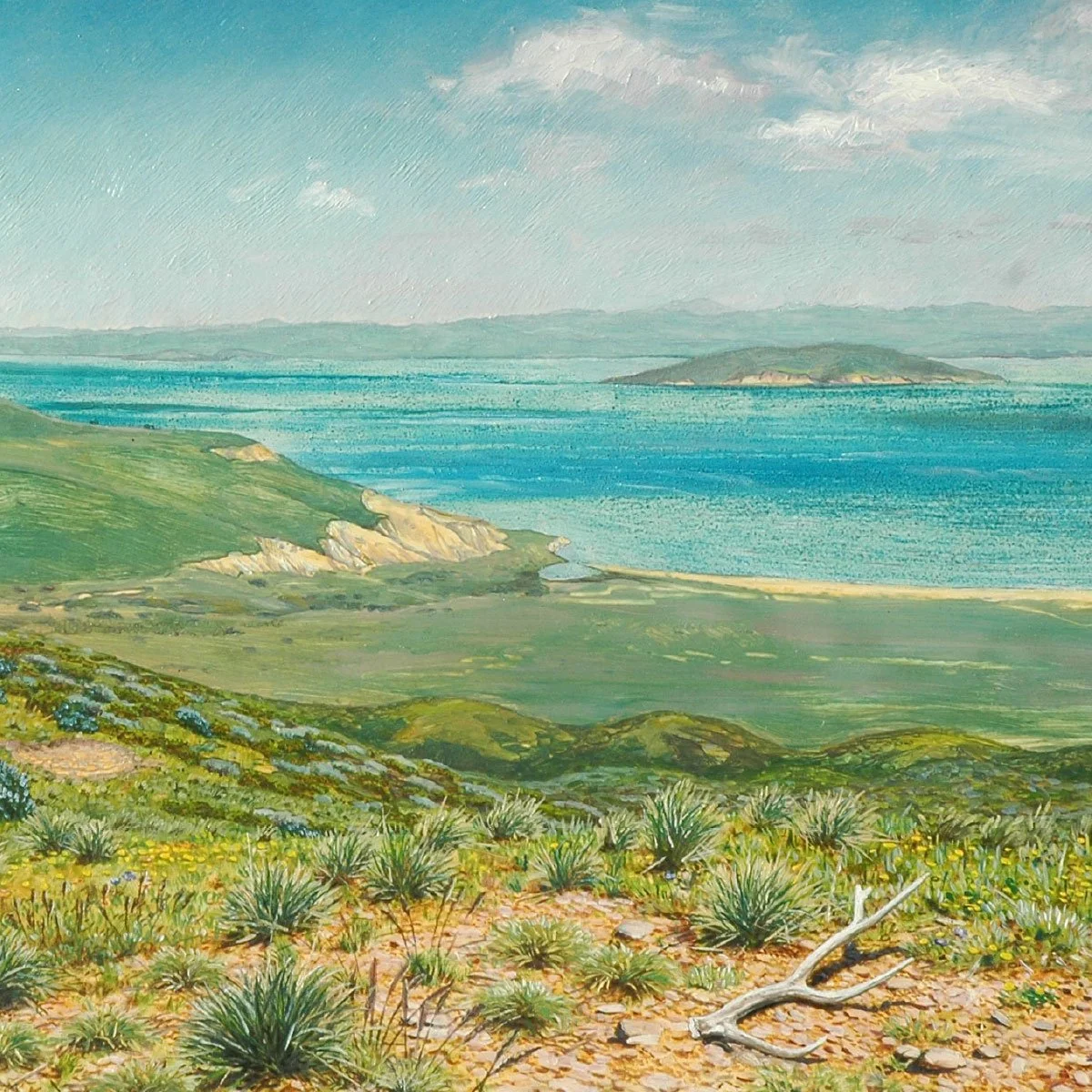
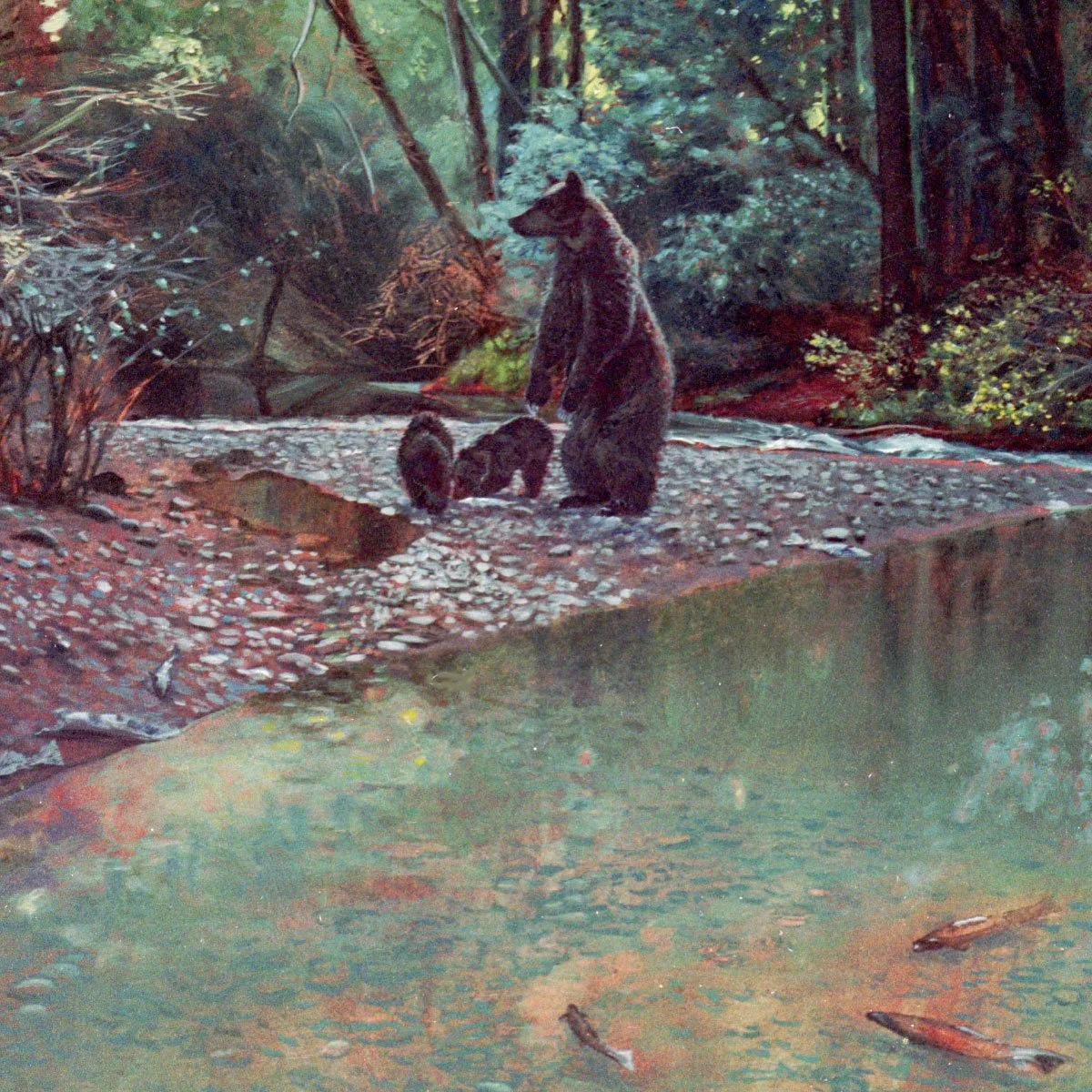


In the final episode of A State of Change: Practicing Honest Hope, Ayana Young and artist-naturalist Laura Cunningham explore honest hope, cyclical time, grassroots action, and the particular places we can still protect and restore. Laura reflects on using art and imagination to reconstruct California’s ecological past, and imagines a future shaped by native grasslands, wildlife, local stewardship, and renewed relationships with place. They consider how small, sustained acts of attention can become meaningful forms of ecological care, and Laura shares a formative story of a flash flood that transformed a Mojave Desert canyon overnight, revealing the power and rhythm of natural change.