
An Anthology of the Anthropocene
The Podcast
We join some of the brightest thought-leaders and visionaries of our time– to uplift a multitude of perspectives, to amplify grassroot voices, and to tell stories that would otherwise disappear in mainstream media. Key topics include the struggle to protect wild nature, to promote ecological renewal and resistance and to heal from the disconnection furthered by consumer culture and human supremacy.
Not only does this work aim to produce an anthology of the Anthropocene, but it also strives to support a new paradigm of earth renewal through conservation and restoration ecology.
Our work is powered by socially aware community, informed by decoloniality and Traditional Ecological Knowledge, and committed to working responsibly, at the intersection between social and environmental justice. In these challenging times when access to information about climate change and social resistance are under threat, when the criminalization of dissent is increasing and when scientists are being silenced, the free, independent media are last watchdogs for sharing the truth. This is what we aim to do with the podcast.
Episodes
This episode traces the shifting contours of Italian food culture amid tourism, commercialisation, convenience, and the global appetite for an imagined “Italian cuisine.” What happens to taste when food becomes spectacle, an export or a brand? And, what tastes are lost? Can they ever be reclaimed?
Focusing on women’s stories, histories, and layers of expectations around femininity, the body, and even the earth, that come from this, the conversation considers the complexities of lived and inherited wisdom; how they might be at odds, and where they may be reconciled.
Through reflections on patience and the wisdom of living within natural cycles, we are invited to imagine beyond a world of instant gratification. As Mila reminds us, “nature needs time.” What kind of fulfillment becomes possible when we learn to move at nature’s pace?
What does it mean to be independent as growers and gardeners while also recognizing our deep interconnectedness with both the land and each other across time? This opening episode grounds us in Sicily with Carlo and Jessie at Slow Life Family Farm.
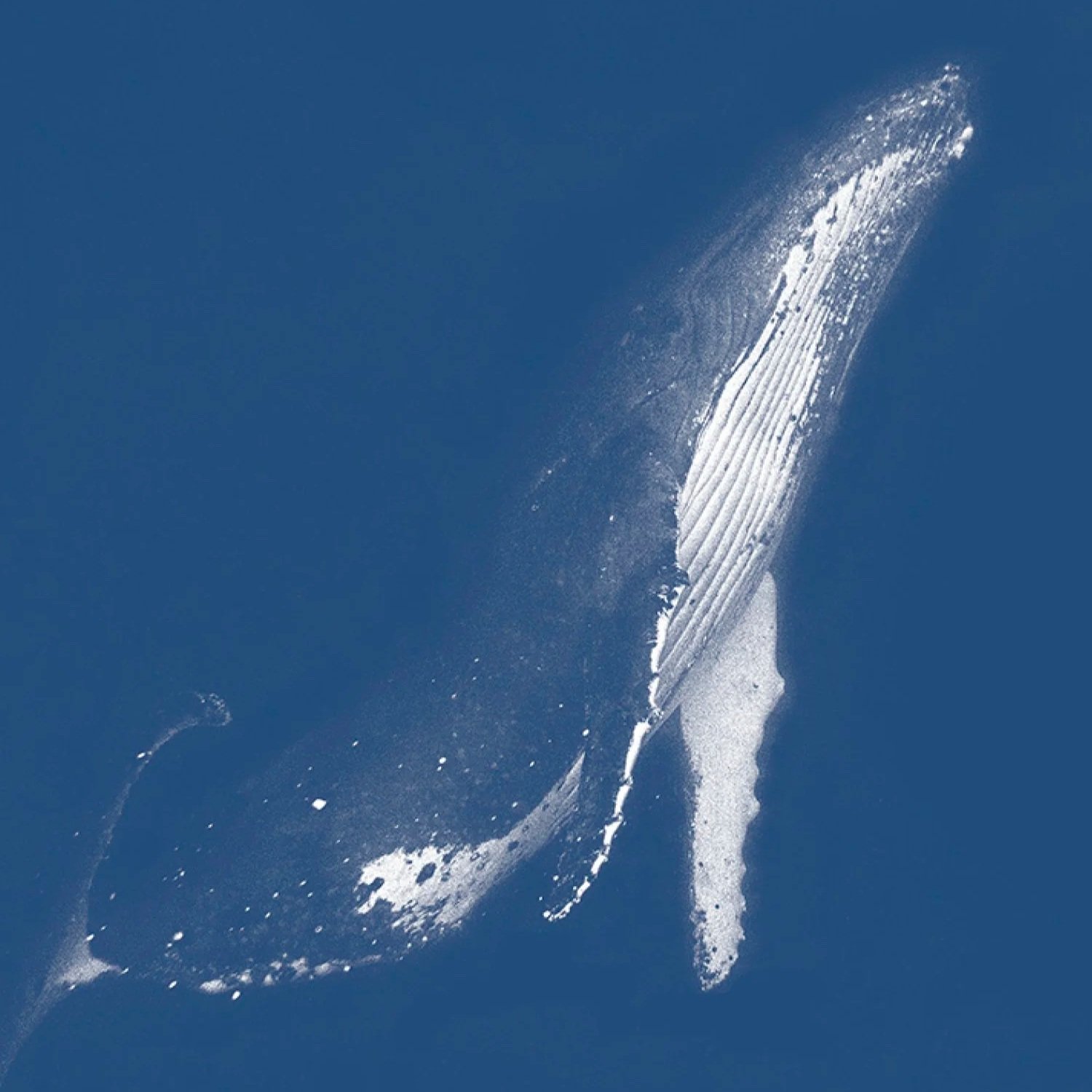
In this Patreon exclusive, we return to the field in continued conversation with Dr. Fred Sharpe and his collaborators. This episode widens its lens, tracing the seasonal patterns of humpback behavior, communication, and migration as they intersect with rapidly shifting ocean conditions. Moving between observation and reflection, Fred and Ayana speak to the importance of long-term listening: how knowledge is built not only through data, but through sustained relationships with place, species, and season.
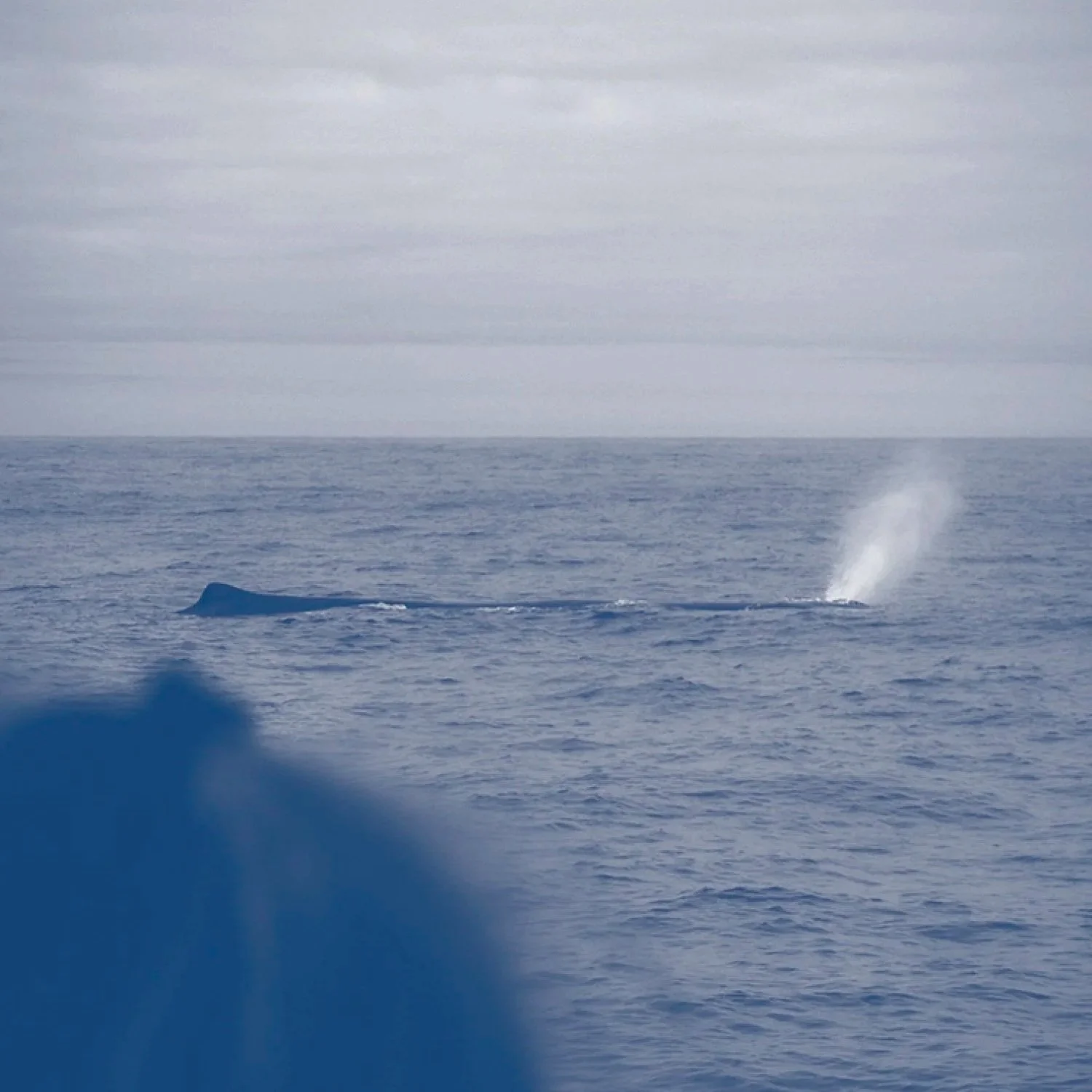
Rachel Meade joins Ayana to rethink what we mean by study, communication, and the goals of biology and conservation. What might change if we were more honest about our uncertainties and willing to admit what we don’t know? Could that openness lead to stronger relationships and better science?
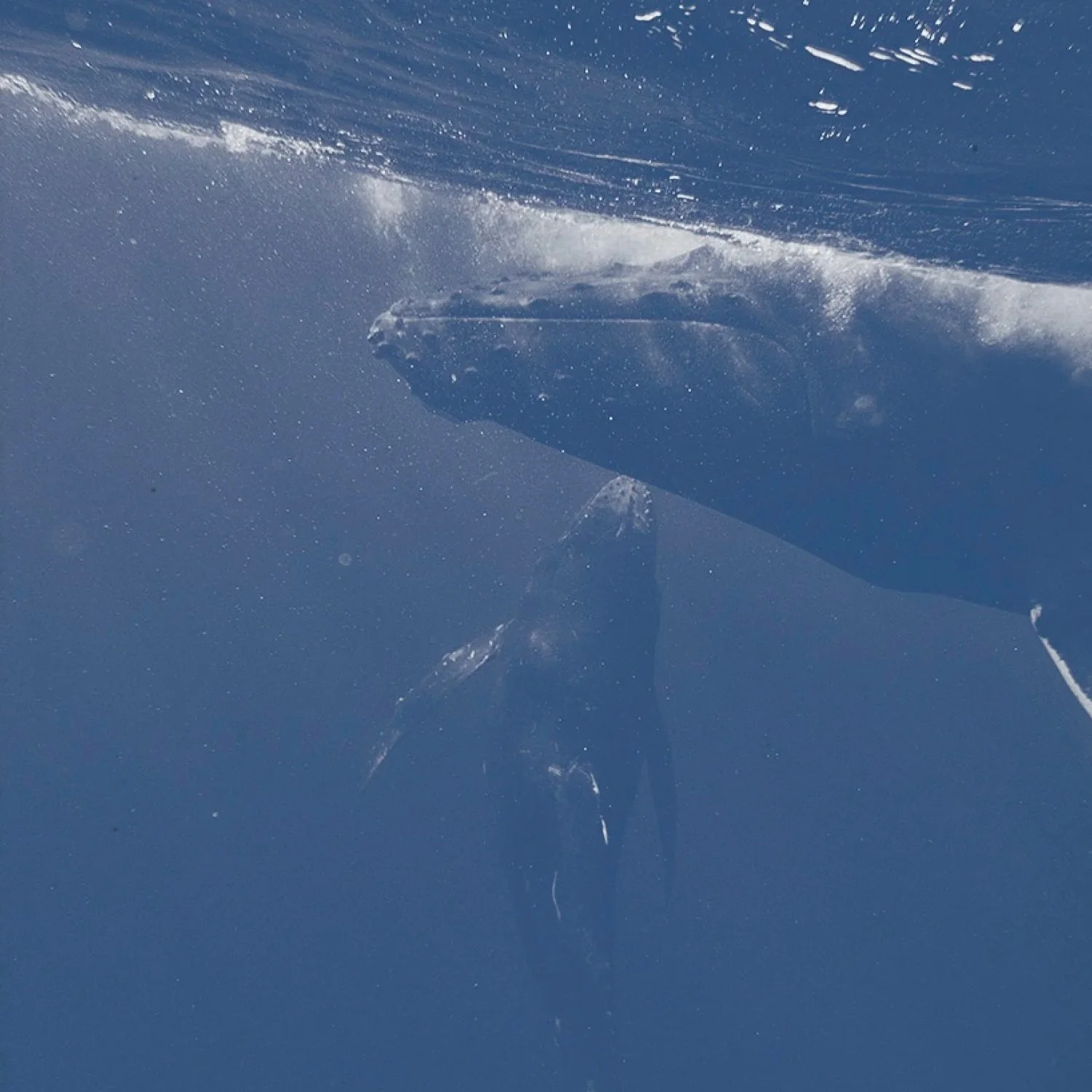
Dr. Fred Sharpe and Ayana as we get to know him and his research team more intimately. Together, they reflect on grounding scientific work in awareness and relationality, offering insight into the deeper purpose behind conservation. The episode explores how our pursuit of knowledge shapes and is shaped by our relationships with the more-than-human world, while also embracing the sensory, emotional pull of curiosity about nature.
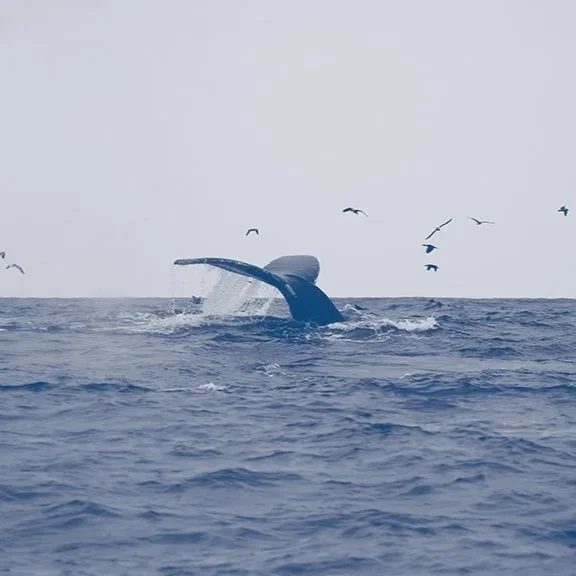
Joe Olson and Dr. Fred Sharpe examine whale sound analysis, humpback communication, and ocean acoustics. This immersive introduction invites listeners to deepen their understanding of whale songs, sonic ecology, and our connection to the more-than-human world.
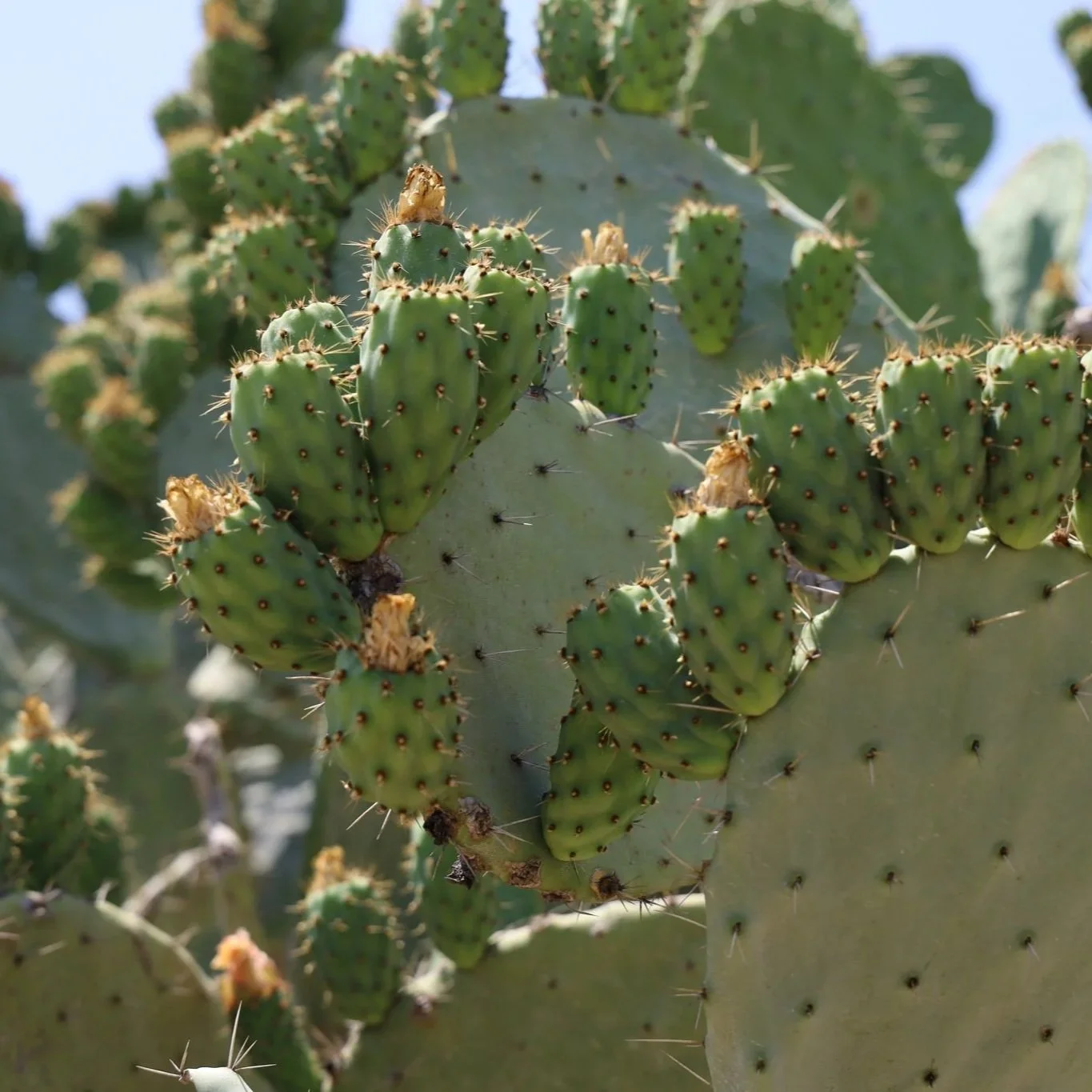
Aya shares about both the symbols and material history of watermelon and prickly pear in Palestine, From reminders of resilience and patience to subtle efforts of resistance, this episode leaves us with the sweet promise of freedom and liberation to come.
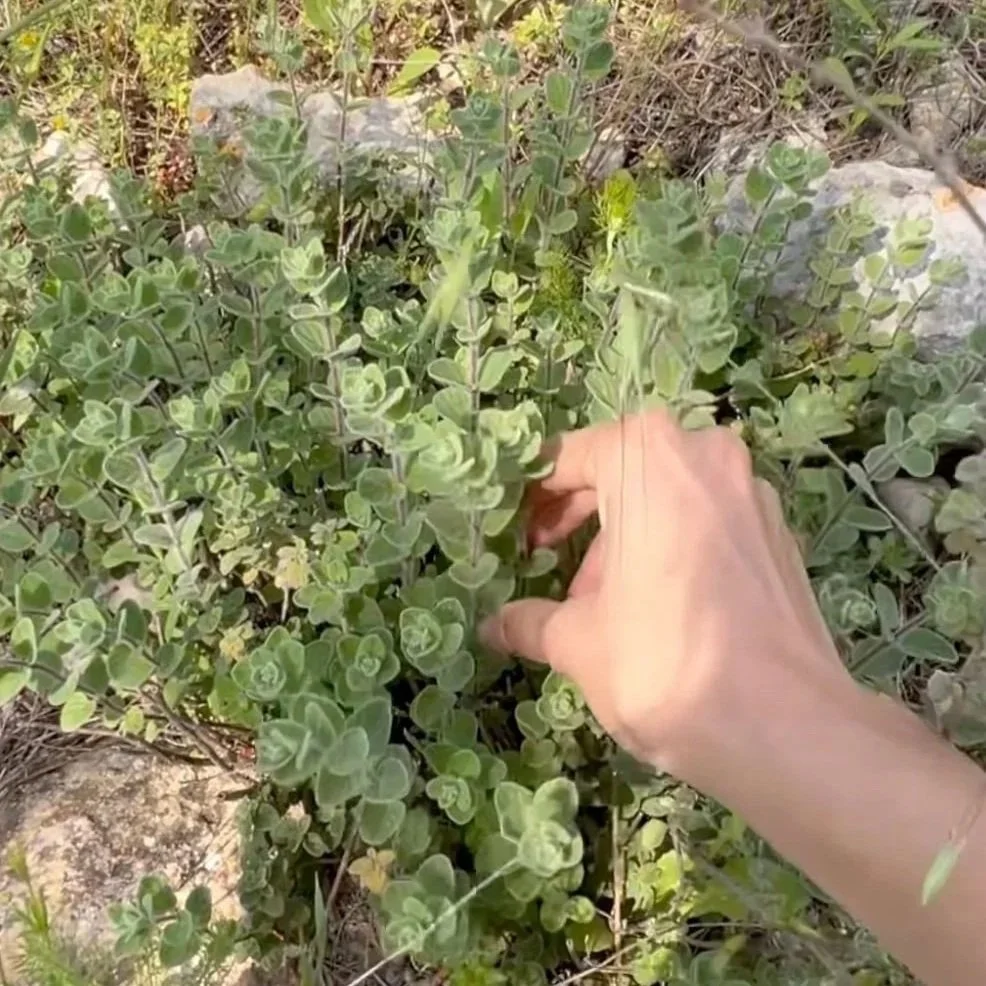
Aya and Ayana reflect on za’atar, its deep presence in Palestinian kitchens, and the ban on foraging it that is selectively enforced against Palestinians. Aya emphasizes a deep connection to the land, carried through the flavors of Palestinian food and the scent of its kitchens.
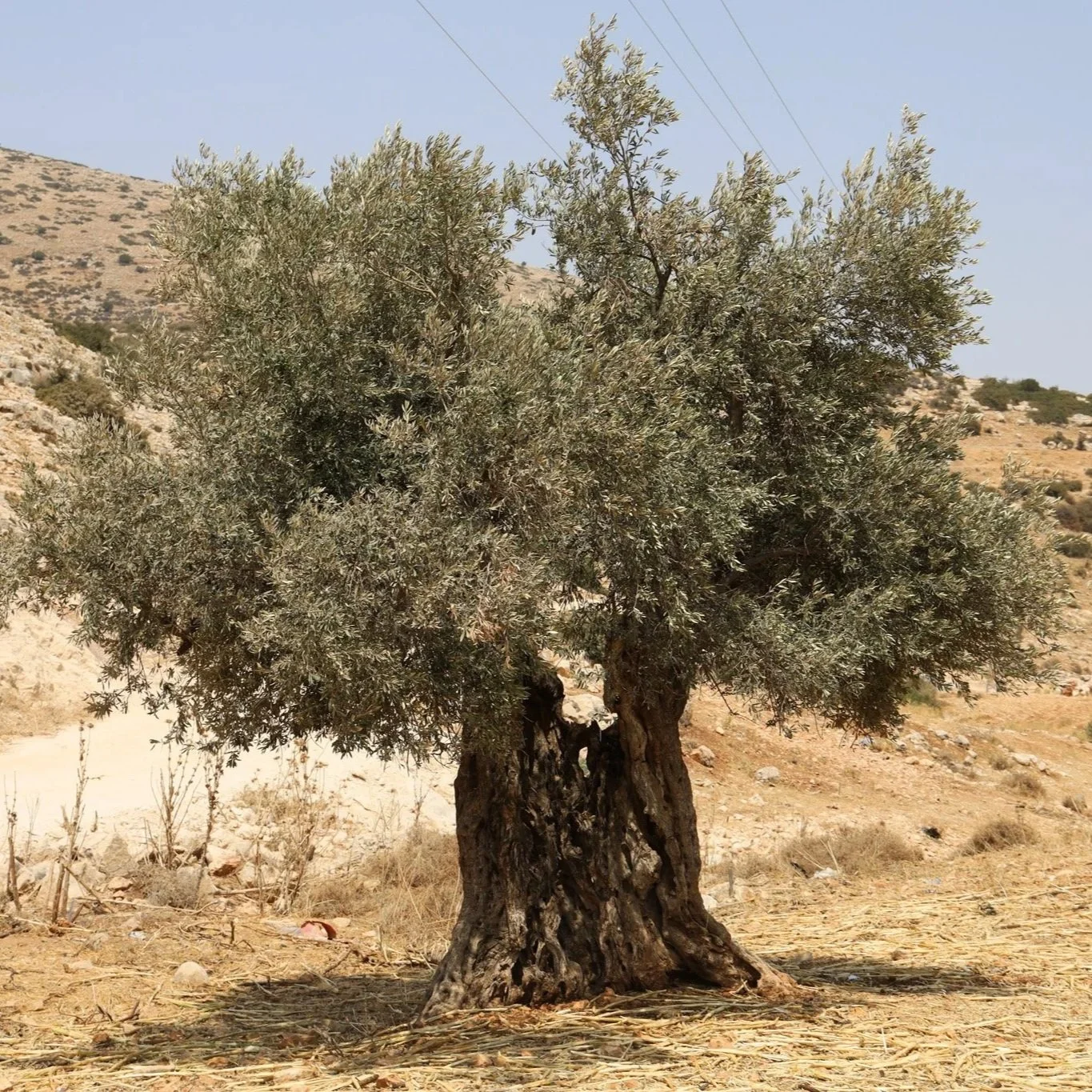
Aya and Ayana explore how olive trees shape Palestinian lifeways through everyday routines and long-held traditions. Olives are rooted in memory, community, and resilience and remain deeply defining across the region.

Artists Aubyn O’Grady and Jackie Olson share about The Willow Basket Project. Together with Ayana, they explore the ways that art can root us in place, support mining reclamation work, and even build bridges with unlikely allies.

Vanessa Andreotti and Ayana explore what it means to live well amid the fractures of modernity. Reflecting on the tensions of birth and death in our time, Vanessa shares her idea of hospicing modernity—the act of bearing witness to a system that is unraveling.

X̱ʼunei Lance Twitchell and Guná Jensen explore the vital work of Tlingít language revitalization. Set within the lands of the Yukon, this episode is a moving tribute to the power and significance of Indigenous language learning.

What does it mean to have a colonized heart? Touching upon the role of feeling in our overall wellbeing, Ayana, Dr. Lee Brown, and Elder Mark Wedge explore how emotional regulation and connection are essential to the work of decolonization.
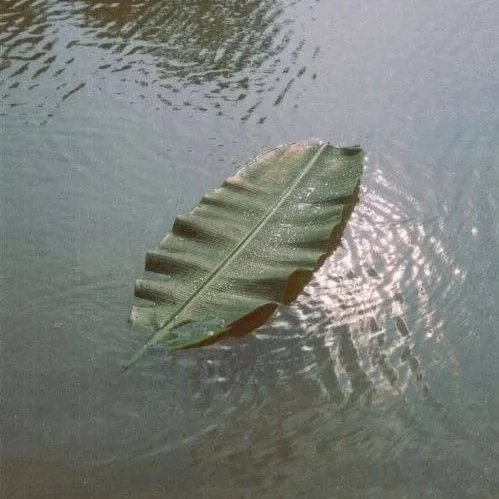
On July 19th, Joanna Macy, our beloved teacher and past guest, died peacefully at home in Berkeley, California. In honor of her incredible legacy and the significant impact her work continues to have, we are rebroadcasting her episode “The World as Lover and Self,” originally released in January of 2015.

In this tribute to Andrea Gibson, we re-broadcast our original conversation from September of 2023. For so many of us who have been touched by Andrea’s work, their death is a deep wound, one that will stretch and expand our hearts in accordance with its depth.
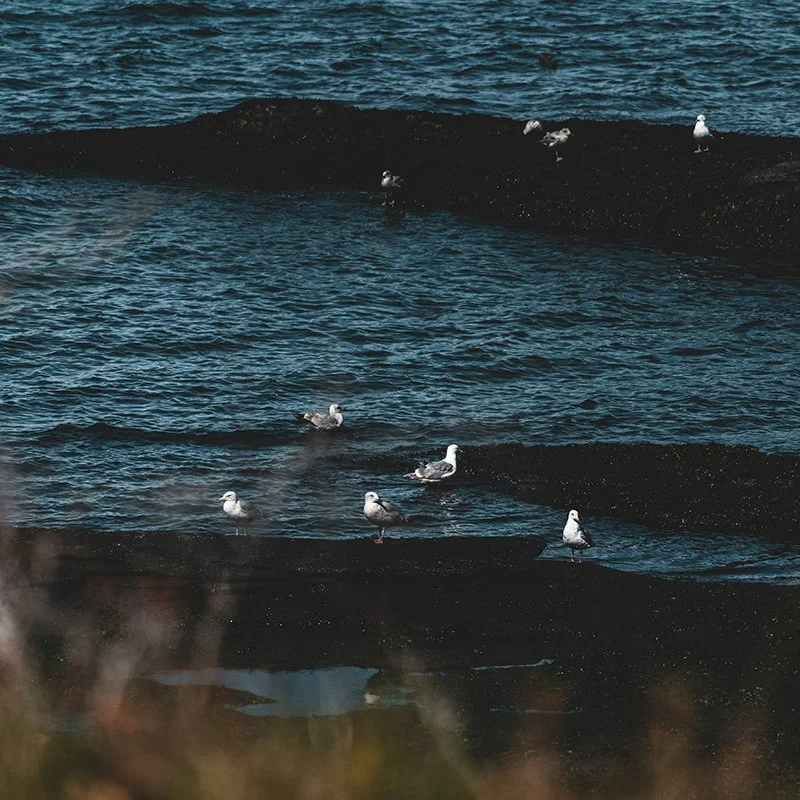
Ayana returns with a heartfelt update from For The Wild. After years of digital storytelling, the team is embracing in-person, land-based conversations—launching a walking series with Sophie Strand and crafting a wild and tangled anthology. New paths are forming—and support is needed to bring them to life.

Offering embodied insight into the ways in which healing manifests in our personal and collective lives, Prentis brings a thoughtful and empathetic perspective to this crucial conversation that fosters deeper belonging with each other and the Earth.

Gumbs speaks to her understanding of Lorde’s work as “geological,” following the connection Lorde draws between Blackness and graphite—and our existence at every layer of Earth’s interior. Gumbs shares lessons for reciprocity, earthly embodiment, and the poetry of living.

Sharing stories from her childhood in Lebanon, Céline (founder of Slow Factory) gives us a look at what it means to be a hakawati (storyteller) and asks listeners what it means to have faith in times of crisis and how to commit to your morals in the face of suppression.

Ayana and Marcia discuss Marcia’s new book, Turning to Stone, and contemplate a life lived in conversation with the very Earth that holds us. Marcia offers us her grounding presence and her awareness of geologic time cycles that churn beyond human perception.

Sharing sweet balm from her new book We Will Rest! The Art of Escape, Tricia reminds us of the art of being alive. In this meditative episode, Tricia asks listeners what it might mean to have faith in mystery and to begin without knowing the full course.

adrienne shares more about her new book Loving Corrections and reminds us of what it means to value relationships and reflection across humanity. Adrienne speaks to the call to choose the Earth, the muscle and soul required to hold oppositional energy, and the beauty that comes from being willing to look back at ourselves with honesty.
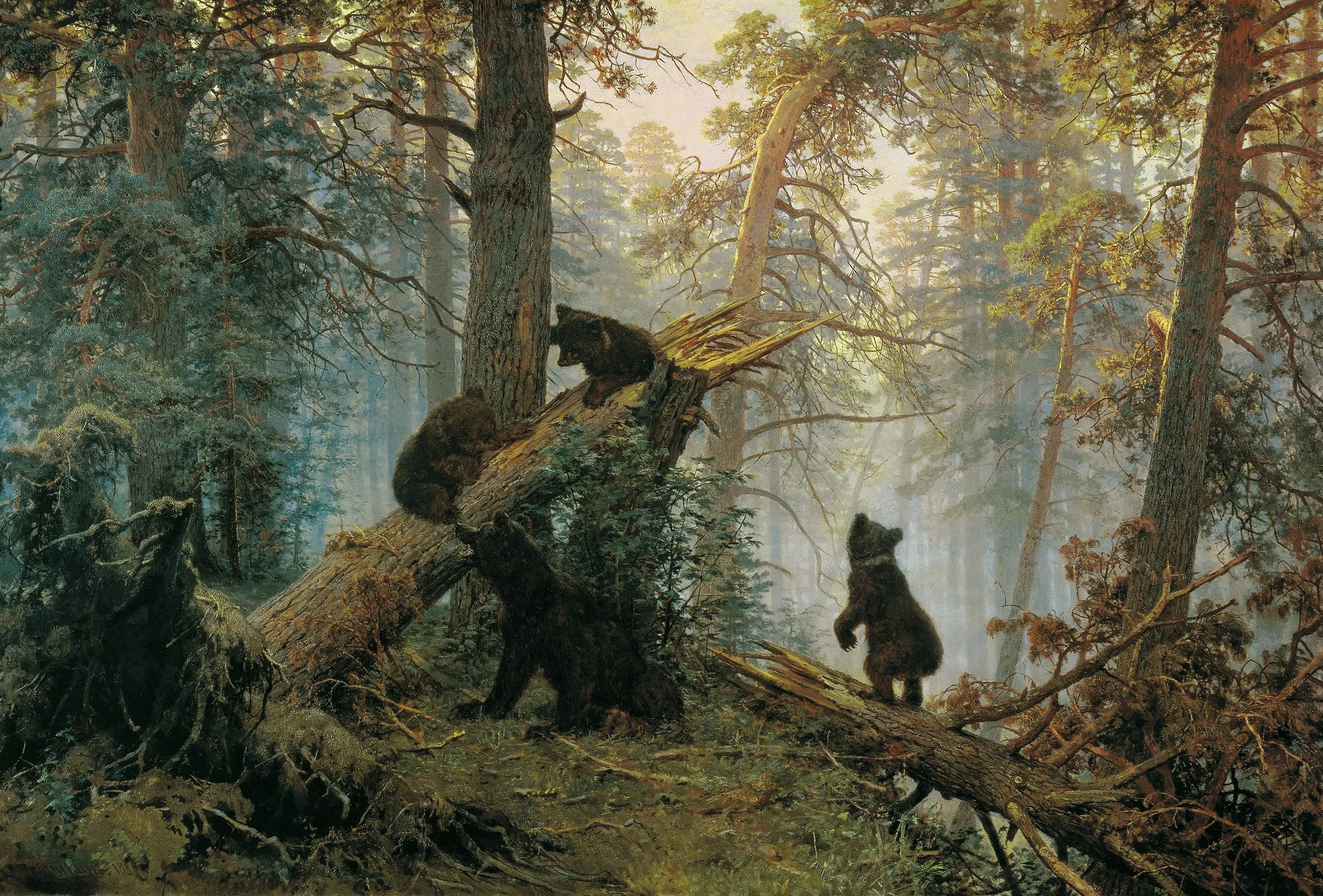
Now especially, the future of independent media and critical, thought provoking content seems uncertain. In times like these, the For The Wild team is even more dedicated to providing our listeners with meaningful listening experiences and media that embraces slow, deep learning.
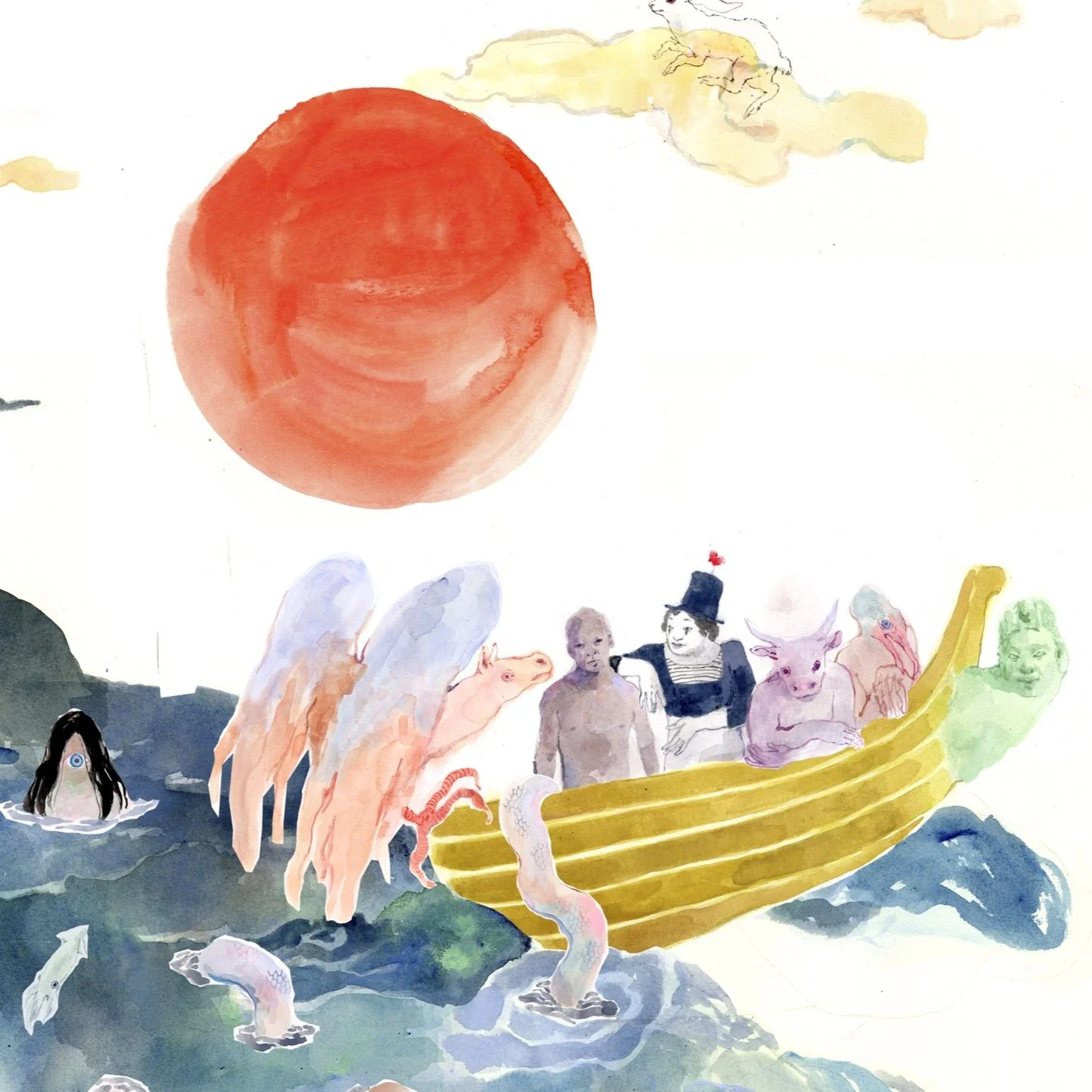
This Slow Study Course is a series of lectures and practice prompts from Bayo’s 2023 edition of We Will Dance With Mountains: Vunja! wherein 1400+ people gathered. It is a carnivalesque course in postactivism, a decoration of the walls of the cracks, a cultivating of bewilderment together, and a sitting-together-until-something-happens.

We’re calling in slow media and embracing content that is deeply-rooted, resourced rather than reactionary, and that offers perspectives based on lived, tangible experiences. Rather than submitting to a culture of constant productivity, we are focusing on moving at the earth’s pace.

Ross and Ayana consider what it means to get people interested in protecting the places that sustain us. How can we inspire the connection with the land that brings people to defend it?

These three visionary Black men, along with Victoria Santos and Omonblanks, invite us into a radical re/imagination of how we respond to our time. They sense into emergent possibilities, triangulating toward a synthesis of new forms, new magic, and new directions.
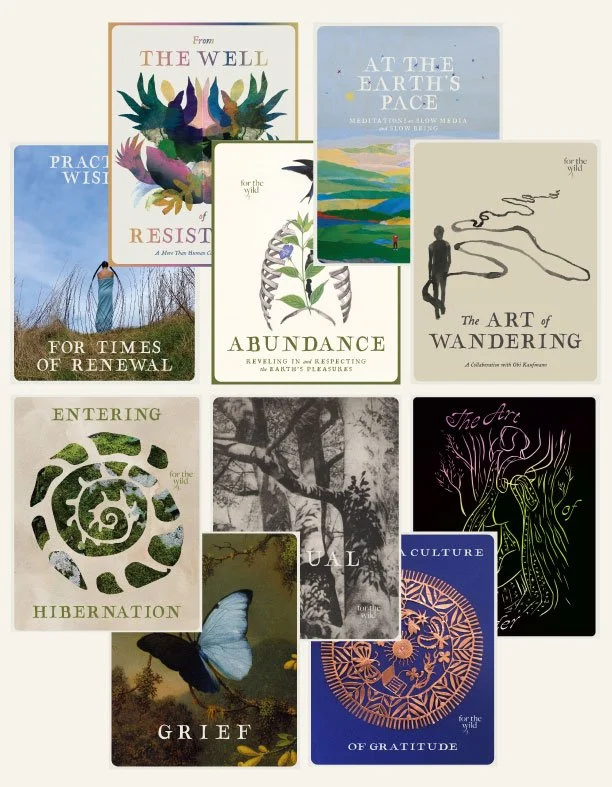
ZINE
LIBRARY
Delve more deeply into the topics
we discuss in our episodes.
Podcast Music
Listen to and support our community of musicians.
We highlight artists whose work is in alignment with a mutual vision.
“I come here for solace and connection, for talks that are so real I know I am not bleeding alone, and for kindness and inclusivity so deep I cannot forget that we are all singing together.”
In our final episode, we move between ancient memory and rituals made at the dinner table that reflect on the legacy of slow food. It is about the way we attend to Earth and care for its continuity, asking not what we can take from it, but what we can give in return.